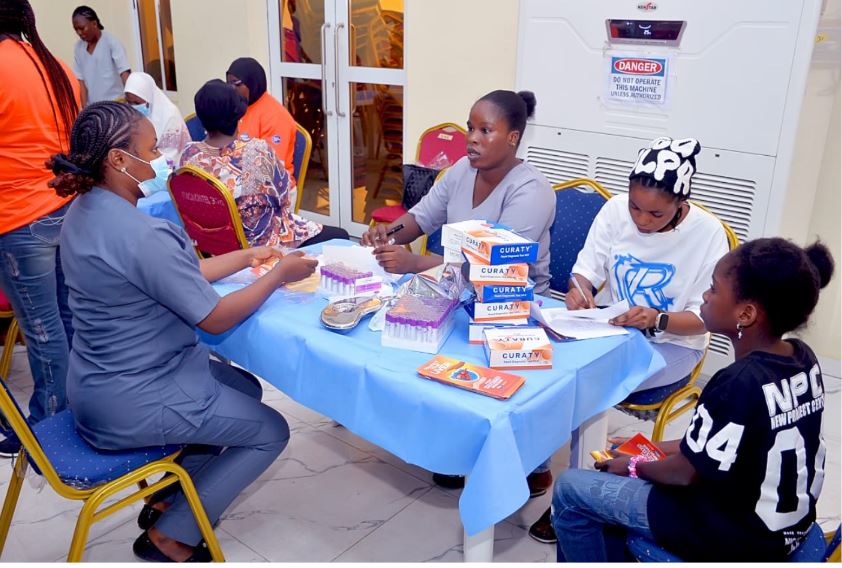
FMC Abeokuta Marks World Hepatitis Day, Advocates Early Screening and Stronger Infection Control
Monday, 28th July 2026.
The Federal Medical Centre (FMC), Abeokuta, has called on healthcare workers and members of the public to embrace early hepatitis screening and strengthen infection prevention measures as critical steps towards eliminating viral hepatitis in Nigeria.
The appeal was made during the Centre’s commemoration of the 2026 World Hepatitis Day, with the theme ” Let’s break it down” held on Tuesday, July 28, at the Telemedicine Hall of the hospital.
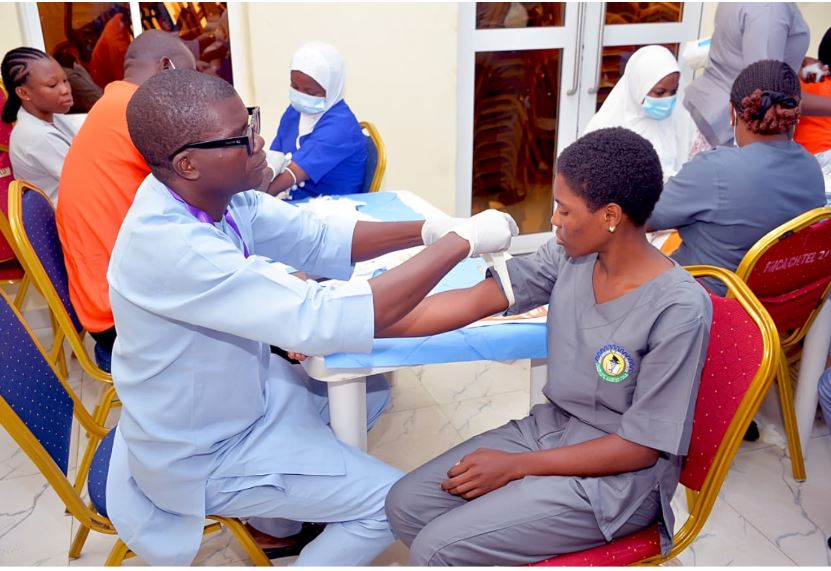
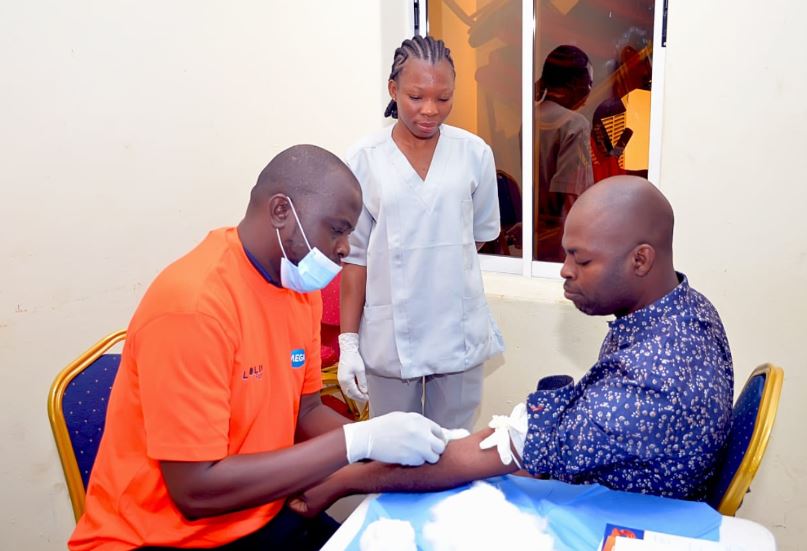
Speaking on behalf of the Medical Director, Dr. Titilola Sarah Ibiyemi, the Head of Clinical Services, Dr. Olusola Adebisi, commended the Gastroenterology Unit for organizing the event. He emphasized that early screening remains one of the most effective ways to detect hepatitis promptly, improve treatment outcomes, and prevent the spread of the disease. He urged healthcare workers and the general public to take advantage of available screening services and adopt preventive health practices.
Earlier in her welcome address, the Head of the Gastroenterology Unit, Dr. Owoseni, explained that the programme was organized to raise public awareness about hepatitis and encourage people to understand the disease beyond what is commonly known. She stressed the need for sustained public education, noting that awareness should extend beyond healthcare facilities into homes and communities.
Dr. Opeyemi Owoseni, Head of Unit, Gastroenterology, Internal Medicine Department, giving her welcome adress
The first lecture, titled “Hepatitis in Children and HBV Overview,” was delivered by Dr. Virginia Guvoeke, Consultant Paediatrician. She highlighted the unique risks and clinical implications of hepatitis among children, distinguishing between infectious and non-infectious causes of the disease. She also discussed the modes of transmission, stages, and long-term complications associated with Hepatitis B and Hepatitis C, while outlining available preventive measures, treatment options, and expected health outcomes for affected patients.
Dr. Guvoeke Virginia, Consultant Paediatrician, delivering her lecture at the event
Delivering the second lecture on “Public Health Perspective for Healthcare Workers,” Dr. Damilola J. Ayowole of the Department of Community Medicine and Primary Care examined hepatitis from a public health standpoint. He provided an overview of Hepatitis A to E, linking the global burden of the disease with the need for coordinated local action. He further explained the socio-economic consequences of viral hepatitis on individuals, families, communities, and the healthcare system, while identifying existing gaps in prevention, patient follow-up, and disease surveillance. He called on healthcare professionals to intensify advocacy against stigma and ignorance and encouraged routine screening to enable early diagnosis and treatment.
Dr. Damilola Ayowole of the Department of Community Medicine and Community Care delivering his Lecture
The final lecture, “Disinfection Protocols and Tool Sterilization,” was presented by Nurse Omotola Fatoki. She demonstrated standard procedures for cleaning, disinfecting, and sterilizing medical equipment and diagnostic instruments, emphasizing strict adherence to infection prevention and control protocols to reduce healthcare-associated transmission of hepatitis and other infectious diseases.
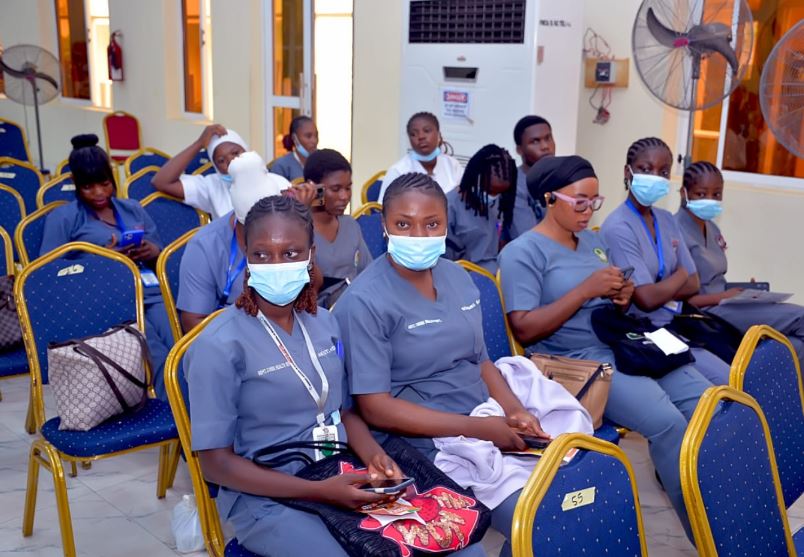
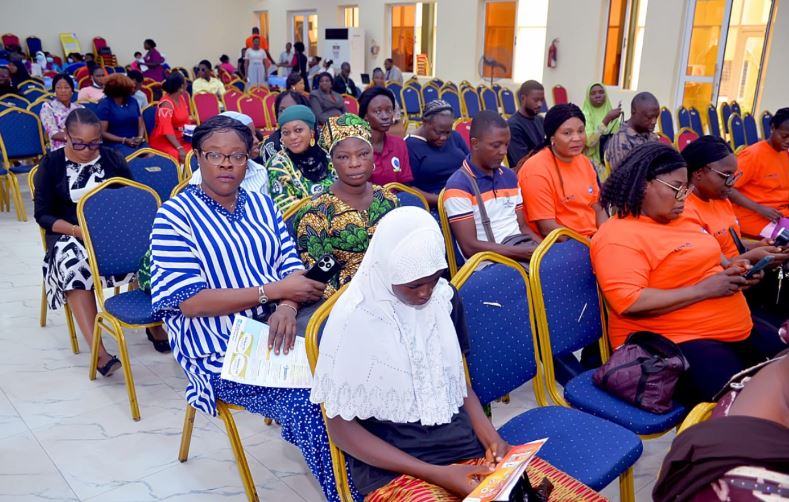
The event attracted doctors, nurses, community health workers, other healthcare professionals, and members of the public, all of whom reaffirmed the importance of collective action in achieving the global goal of eliminating viral hepatitis as a public health threat.
Report by: Orunsolu Aminat, Olakunle Orire, Mina Oluwakemi , Sogbade Mathew, Paul Akinadeboye (Information and Public Relations Department).